Wavy Pattern Heart Embroidery Design Review
As an experienced embroidery designer who spends hours daily evaluating digital assets for both personal projects and commercial clients, I recently came across the Wavy Pattern Heart Embroidery Design on Creative Fabrica. My initial goal was to find a versatile motif for a Valentine's Day collection of tote bags and baby blankets. While many heart designs are available, this specific file stood out due to its unique textural approach. This review aims to provide an honest evaluation of whether this design is worth adding to your library for real-world production.
First Impressions and Visual Mood
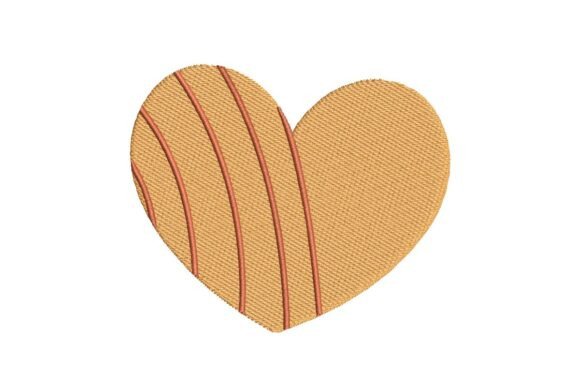
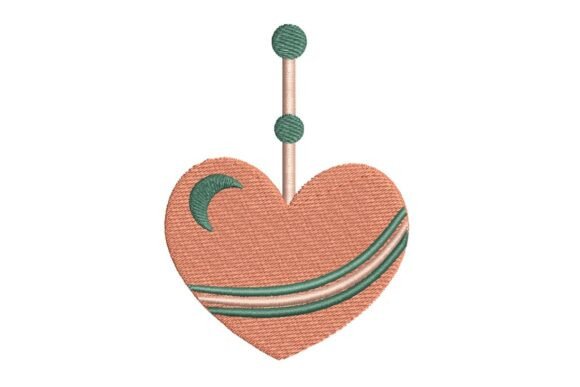
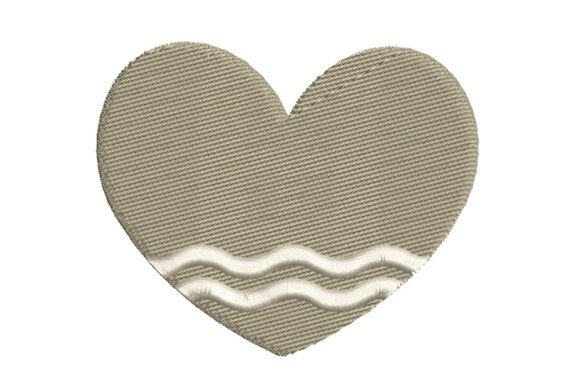
The moment you open the preview, the Wavy Pattern Heart Embroidery Design feels distinct from the standard satin-stitch hearts that dominate the market. The description highlights a stylized heart rendered in a textured muted green or olive beige with two curving white lines. In practice, this translates to a sophisticated, modern aesthetic rather than a cliché romantic look. The wavy pattern suggests a fill stitch technique that adds depth without overwhelming the silhouette.
This visual mood makes it incredibly versatile. It moves beyond traditional Valentine's Day themes into everyday wear and home decor. The muted tones suggest a calming, organic vibe that pairs well with natural fabrics like linen, cotton canvas, and fleece. For designers looking to create a cohesive brand identity, this design offers a way to introduce a soft, artistic element that feels handcrafted yet professional.
Performance in Real Project Scenarios
I evaluated this embroidery file against several common project types to see how it holds up under pressure. The first test involved a custom sweatshirt for a boutique client. The design's moderate density seemed perfect for the thick fabric, providing structure without causing puckering. However, the success here depended heavily on using the correct stabilizer. Because the heart features a wavy texture, it requires a stable base to maintain its shape during stitching.
Next, I considered its application on smaller items like caps and embroidered patches. The curvature of the cap can be challenging for larger motifs, but the heart shape is generally forgiving. If you plan to use this as a commercial embroidery item for headwear, testing on scrap material is essential to ensure the wavy lines do not distort when pulled tight over the curved surface. For patches, the clean outline and internal texture would likely result in a high-quality finished product that appeals to customers looking for durable accessories.
For home decor items such as pillow covers and kitchen towels, the design shines. The contrast between the textured heart and the plain background creates a focal point that elevates the entire piece. When applied to a baby blanket, the soft color palette and gentle curves offer a sense of warmth and security, making it an excellent choice for nursery decor. The design also works beautifully as part of a set, perhaps repeated across a series of matching aprons or tote bag designs.
Considerations for Specific Fabrics and Hoop Sizes
Not all fabrics behave the same way, and understanding the limitations of the machine embroidery design is crucial for maintaining quality. On stretchy knits, such as those used for t-shirts or hoodies, the risk of distortion increases. If the stitch density is high, the fabric may pucker around the wavy lines. To mitigate this, I recommend using a cut-away stabilizer to prevent the stitches from pulling the knit fabric out of alignment.
When working with dark fabrics, the thread colors become a critical factor. The description mentions a muted green or olive beige with white lines. On a black or navy background, the white lines will pop effectively, creating a striking graphic look. However, if the heart itself is stitched in a lighter shade, it might get lost against a dark background unless the thread count is sufficient. Always check the thread color recommendations provided by the creator before finalizing your order.
Hoop size is another practical consideration. If you are aiming for a detailed finish on a small hoop, pay close attention to the fine details within the wavy pattern. Sometimes, intricate textures can become muddy if the hoop area is too small for the machine to resolve the stitches clearly. Conversely, if you are scaling this up for a large wall hanging, the texture should remain crisp and well-defined.
Impact on Product Value and Brand Perception
In the world of handmade goods and Etsy listings, the perceived value of your work often hinges on the uniqueness of the design. Using a generic heart design can make a product feel mass-produced. The Wavy Pattern Heart Embroidery Design, however, brings a level of sophistication that can justify a higher price point. Customers are increasingly drawn to items that look artisanal and thoughtfully designed.
This design enhances brand consistency for creative entrepreneurs. Its muted, earthy tones allow for easy integration into a broader color scheme, whether you specialize in boho-chic styles or minimalist decor. When photographing your finished products, the texture of the wavy pattern catches the light beautifully, adding dimension to your images and increasing customer engagement online.
Furthermore, the design's versatility supports giftability. Whether it is a personalized gift for a loved one or a seasonal item for a craft fair, the heart motif carries emotional weight without being overly sentimental. It strikes a balance that appeals to a wide demographic, from young adults to parents decorating nurseries.
Practical Embroidery Notes and Recommendations
Before committing to a full production run, there are several steps every designer should take to ensure success with this digital embroidery file. First and foremost, always test on scrap fabric that matches the intended final material. This allows you to assess how the thread colors interact with the fabric and whether the stabilizer choice is adequate.
Review the stitch density carefully. Dense areas can sometimes cause issues on thinner fabrics, leading to stiffness or difficulty in threading through the holes. Inspect the small details after stitching to ensure that the wavy lines have separated cleanly and that no threads are tangled. If the design includes applique elements, verify that the placement instructions are clear and that the backing is strong enough to support the additional layers.
It is also vital to confirm the file details and licensing terms on the Creative Fabrica product page. Ensure that the file format is compatible with your embroidery machine software. Check the recommended hoop size and compare mockups on both light and dark fabrics to visualize the final outcome. Do not assume that a design that looks good on screen will perform identically on all materials; physical testing is the only way to guarantee quality.
Finally, consider the long-term durability of the finished product. Items that require frequent washing, such as aprons or baby blankets, need robust stitching. If the design relies heavily on loose running stitches, they may snag or unravel over time. A balanced mix of satin and fill stitches usually provides the best durability for items that will see regular use.
Final Thoughts
The Wavy Pattern Heart Embroidery Design offers a refreshing alternative to traditional heart motifs, blending modern aesthetics with classic symbolism. For designers seeking to expand their offerings in categories like custom apparel, tote bags, or nursery decor, this design provides a solid foundation for creating high-value handmade products. By following proper testing protocols and selecting the right materials, you can leverage this asset to create stunning results that resonate with your audience. Whether you are preparing for a busy Valentine's Day season or building a year-round shop, this design is a worthy addition to your creative toolkit.